The Pool Is Still Closed. And Honestly? It’s the Best Decision I’ve Made.
The Pool Is Still Closed. And Honestly? It’s the Best Decision I’ve Made.
ByeByePool Founder Diary — May 2026
It’s mid-May in Massachusetts. You’d think by now we’d have had at least a handful of those warm, bright spring days that make you think about firing up the grill and maybe even eyeing the pool.
Not this year. Not really.
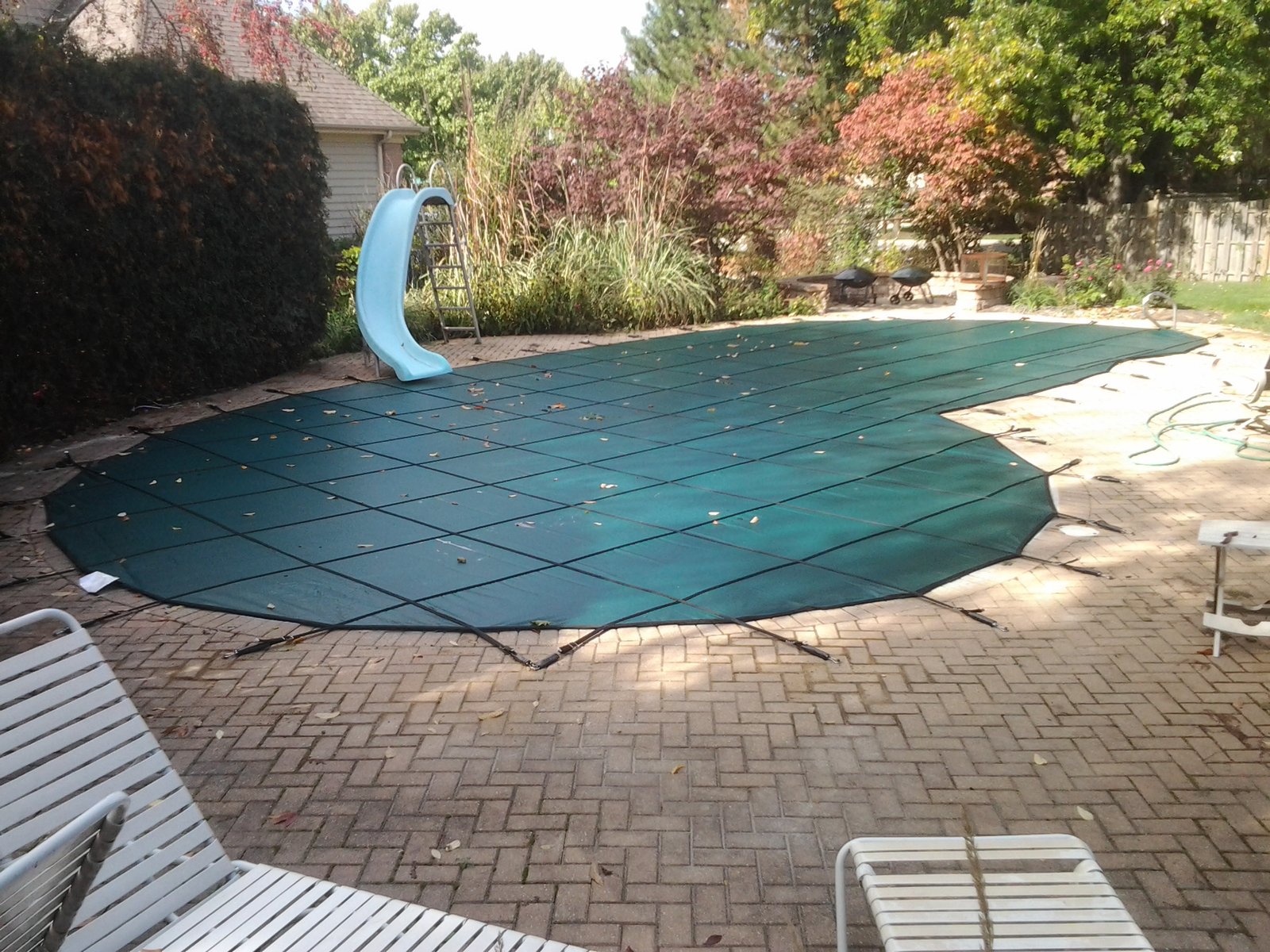
It’s been cold. Gray. The kind of stubborn New England spring that makes you wonder if summer is actually coming or if the whole season just decided to skip us. And sitting here looking at my covered, closed pool, I’m not frustrated about it. I’m relieved.
Because if I had opened it, I’d already be behind.
The ritual I opted out of this year
Let me tell you what the first weeks of pool season used to look like. You pull back the cover and immediately question every decision you made in the fall. There’s water sitting on top of it that needs to be pumped off. There are leaves underneath that made their way in despite your best efforts. The water is green, or close to it. The chemicals are off. The equipment needs to be reconnected, primed, checked.
Then you start spending money. Chemicals to shock the pool back to life. A service call if something isn’t working right, which in my experience happens about 60% of the time after a New England winter. New season supplies. Maybe a filter cleaning.
And the whole time you’re doing this — on a weekend in May, when the air temperature is still 50 degrees — you’re asking yourself a question you don’t let yourself fully answer: why am I doing this?
This year I didn’t have to ask it. The pool is closed. It’s staying closed. And standing in my backyard this spring without any of that looming over me felt genuinely different. Lighter.
The math that finally clicked
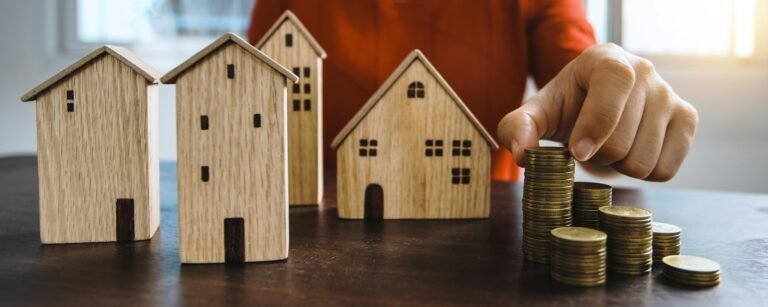
I’ve written before about the $3,000 to $5,000 a year it costs to operate a pool in New England. That’s not a made-up number. That’s chemicals, electricity, opening and closing service, a typical repair or two, and the incidental costs that stack up all season. Some years it’s more.
For a pool that’s realistically usable — in Massachusetts, in a good year — maybe 10 weeks. Maybe 12 if the weather cooperates.
Do that math with me for a second. At $4,000 a year, you’re spending roughly $57 per day the pool is open. And that assumes the weather cooperates every single one of those days. It doesn’t. We all know it doesn’t. Some of those days it rains. Some of them it’s cloudy and 65 degrees and nobody gets in. Some weekends the kids have games or plans and the pool just sits there, treated and heated and running, costing you money while nobody uses it.
This year that $4,000 stays in my pocket. That’s real money. Money that can do something.
What that money actually buys
Here’s the part that hit me differently this year — and I think it hits hardest for parents.
That $4,000 a year in pool maintenance? In a couple of years of not operating the pool and setting that money aside, you can rent a lake house for a long weekend. Not a cheap one. A real one. The kind with a dock, a fire pit, space for two families, and a kitchen big enough for everyone. You bring another couple and their kids. You drive up Friday afternoon. You spend the whole weekend on the water — actually on the water, in it, kayaking, swimming, jumping off a dock — and around the fire at night with people you love.
Your kids don’t remember that the pool was clean. They remember the lake house weekend. The rope swing. The night you made s’mores in the rain because nobody wanted to go inside. The friend they made in the water who they still talk about.
I’m not being sentimental for the sake of it. I’m being practical. The experiences that stick with kids are not the ones that happen in the backyard by default because the pool is right there. They’re the ones you made an effort to create. The ones with a little novelty, a little adventure, a little “we’re doing something different this weekend.”
A pool, after the first few summers, stops being an adventure. It becomes furniture. It’s just there. The kids get in for 20 minutes and get out and go inside. Meanwhile you’re out there skimming it, adjusting the chemistry, wondering why the pump sounds different than it did last week.
A lake house weekend is not furniture. It’s a memory.
The removal is still coming
I want to be clear about something. Not opening the pool this year isn’t me giving up on the decision to remove it. It’s the opposite. It’s the year that makes the case.
Right now I’m living the answer to the question every pool owner asks themselves but doesn’t want to say out loud: do I actually need this thing? This year is the test. If we get to September and nobody in my family missed the pool — if we found other ways to swim, to spend summer weekends, to let the kids cool off — then the answer is obvious. And so far? It’s looking pretty obvious.
The plan is still removal in spring 2027. The money I’m saving this year on maintenance goes directly toward funding that project. I’m not losing a year. I’m gaining one. I’m gaining clarity, I’m gaining savings, and I’m gaining a summer that doesn’t revolve around maintaining a body of water in my backyard.
What comes after the pool matters more than the pool
The other thing that’s shifted for me this year is thinking seriously about what goes in that space when the pool comes out. A proper outdoor living area. Maybe a patio, maybe some raised garden beds, maybe a fire pit setup that actually gets used because it’s accessible and not surrounded by pool equipment. Space my kids can actually play in — a real yard, not a yard organized around a hole in the ground.
That’s not a consolation prize for removing a pool. That’s an upgrade. That’s getting back something the pool took away.
If you’re on the fence about your own pool — if you’re heading into another summer of maintenance costs and weekend cleaning sessions and watching it rain on your pool Friday night after you just treated the water — I’d encourage you to ask yourself the honest question.
What would you do with that money? What would you do with that time? What would your kids remember?
The pool will still be there next year. The lake house weekend won’t plan itself.
Check out our Pool Removal Cost Guide to understand what removal actually costs — it might be closer than you think. And when you’re ready, get a free quote and we’ll match you with one specialist who knows your area.